admin
What Students Should Look for Before Choosing a Product Design College
Choosing a product design college is not only about finding a degree after 12th. It is about choosing a place where creativity, technology, problem solving and practical learning come together.
Students searching for colleges offering Product Design Course should therefore look beyond attractive campuses or course names. Product design is changing quickly because of digital prototyping, artificial intelligence, 3D modelling, sustainable materials and new manufacturing technologies.
A good college should prepare students to understand real users, identify problems, develop ideas, test prototypes and turn concepts into practical products.
For students interested in a creative career with technical learning, product design can provide a strong path into several modern industries.
What Is a Product Design Course
Product design teaches students how to develop products that are useful, functional, attractive and suitable for real users.
It is much broader than simply drawing a product.
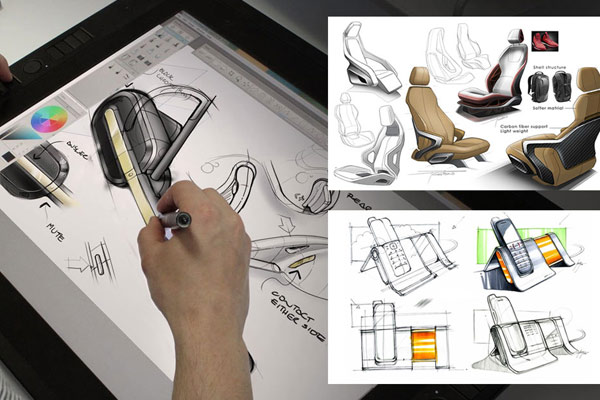
Students learn how to understand a problem, research user needs, develop concepts, choose suitable materials, create digital models and build prototypes.
A typical Product Design program may include:
- Design thinking
- Sketching and visualization
- Product development
- Ergonomics
- User research
- Materials and manufacturing
- 3D modelling
- Computer aided design
- Prototyping
- Sustainable design
- Portfolio development
The aim is to develop both creative thinking and practical problem-solving ability.
Why Product Design Is Becoming a Modern Career Choice
Almost every physical product begins with a design process.
Furniture, home appliances, medical equipment, consumer electronics, packaging, mobility products and lifestyle products all require professionals who can understand both users and manufacturing requirements.
Modern product designers are also working more closely with engineers, marketers, researchers and technology teams.
This makes product design suitable for students who enjoy creativity but also want their ideas to solve practical problems.
India’s growing manufacturing, startup and innovation ecosystem is also creating wider exposure for students interested in product development.
How AI Is Changing Product Design Education
Artificial intelligence is becoming an important part of modern design workflows.
Designers can now use AI-supported tools during research, idea generation, visualization and early concept development.
However, AI does not replace the core skills of a product designer.
Students still need to understand:
- User behaviour
- Design principles
- Functionality
- Materials
- Manufacturing limits
- Ergonomics
- Testing
- Problem solving
The most useful Product Design Courses are likely to combine traditional design foundations with modern digital tools.
Students comparing colleges should therefore ask how technology, AI-assisted workflows and digital product development are included in practical learning.
Check the Curriculum Before Selecting a College
The course syllabus is one of the most important factors to compare.
Do not choose a college only because it offers a B Design degree.
Look at what you will actually study during the program.
A balanced curriculum should gradually move from design fundamentals towards more advanced product development.
Students should get opportunities to learn sketching, form development, materials, manufacturing, digital modelling and prototyping.
The curriculum should also encourage research and experimentation rather than only classroom-based theory.
Practical Design Labs Can Make a Major Difference
Product design cannot be learned completely from textbooks.
Students need to make things.
This is why workshops and design labs are important when comparing colleges offering Product Design Course.
Depending on the program, useful facilities may include:
- Model-making workshops
- Computer design labs
- 3D printing facilities
- Material exploration areas
- Prototype development tools
- Digital fabrication facilities
These resources allow students to convert ideas into physical or digital prototypes and understand whether their designs actually work.
Look for Project Based Learning
One of the strongest signs of a useful design program is regular project work.
Projects help students understand the complete design process.
For example, students may identify a daily-life problem, study users, generate different solutions, create sketches, develop a 3D model and then build a prototype.
This process develops skills that cannot be gained through examinations alone.
Students should ask prospective colleges about semester projects, industry briefs, collaborative assignments and final-year projects.
Portfolio Development Should Start Early
A strong portfolio is important for design students.
It demonstrates how a student thinks rather than simply showing a degree certificate.
A good portfolio may include:
- Research work
- Initial sketches
- Idea development
- CAD models
- Prototype photographs
- Material studies
- Design improvements
- Final product concepts
Students should choose a course where portfolio development happens throughout the program.
This becomes especially valuable when applying for internships, higher education or entry-level design positions.
Industry Exposure and Internships Matter
Product design involves real markets, real users and real production challenges.
Industry interaction can help students understand these areas better.
Before selecting a college, check whether the program provides opportunities such as industry visits, workshops, guest lectures, internships or live projects.
Students studying in Ahmedabad and other parts of Gujarat can also benefit from exposure to the region’s manufacturing, engineering, furniture, consumer goods and startup ecosystem.
Practical exposure helps students understand how classroom concepts are applied in professional environments.
What Career Options Are Available After Product Design
Product design education can lead to different career paths depending on a student’s interests and portfolio.
Graduates may explore opportunities as:
- Product Designer
- Industrial Designer
- Furniture Designer
- Design Researcher
- Product Development Executive
- 3D Visualizer
- CAD Designer
- Design Consultant
- Prototype Designer
Some graduates may later move towards UX design, transportation design, packaging, entrepreneurship or specialised product development.
The exact career path usually depends on skills, specialisation, project experience and portfolio quality.
Questions to Ask Before Taking Admission
Before making a final decision, students and parents should ask practical questions instead of relying only on brochures.
Ask the college about:
- What subjects are included in the Product Design curriculum?
- Are practical workshops available?
- Which design software will students learn?
- Are students taught prototyping?
- Does the course include internships?
- How many projects will students complete?
- Is portfolio development included?
- What career and placement support is available?
Clear answers to these questions can make comparing colleges much easier.
Conclusion
Searching for the right college offering a Product Design Course should begin with understanding how the course prepares students for real design work.
A strong program should combine creativity with design thinking, materials, digital modelling, prototyping, user research, technology and practical projects.
Students should also consider workshop facilities, faculty guidance, industry exposure, internships and portfolio development before making an admission decision.
Product design can be a rewarding career for students who enjoy creating, experimenting and solving real-world problems. Choosing a college with practical and future-focused learning can help build the foundation needed for a long-term career in design.
Frequently Asked Questions
Several universities and design institutions offer undergraduate Product Design programs after 12th. Students should compare the curriculum, practical facilities, faculty, projects, internships and portfolio support before selecting a college.
Yes. Students can pursue undergraduate programs such as B Design in Product Design after completing 12th, subject to the eligibility requirements of the selected university or institution.
Look for a college that provides a balanced curriculum, experienced faculty, practical design labs, 3D modelling, prototype development, industry exposure, internships and regular portfolio projects.
Yes. Product design can be suitable for students interested in creativity, innovation and problem solving. It combines visual thinking with practical knowledge of users, materials, manufacturing and technology.
A modern course should cover design thinking, sketching, user research, ergonomics, materials, manufacturing, CAD, 3D modelling, prototyping, sustainability and modern digital design tools.
Internship and placement support varies between institutions. Students should specifically check industry partnerships, internship opportunities, career guidance and placement assistance before taking admission.
Yes. Students can explore institutions offering Product Design programs in Ahmedabad and other locations across Gujarat. Compare the university, curriculum, learning facilities, location, industry exposure and admission requirements before making a final choice.